Embryonic Engineering
November 7, 2025
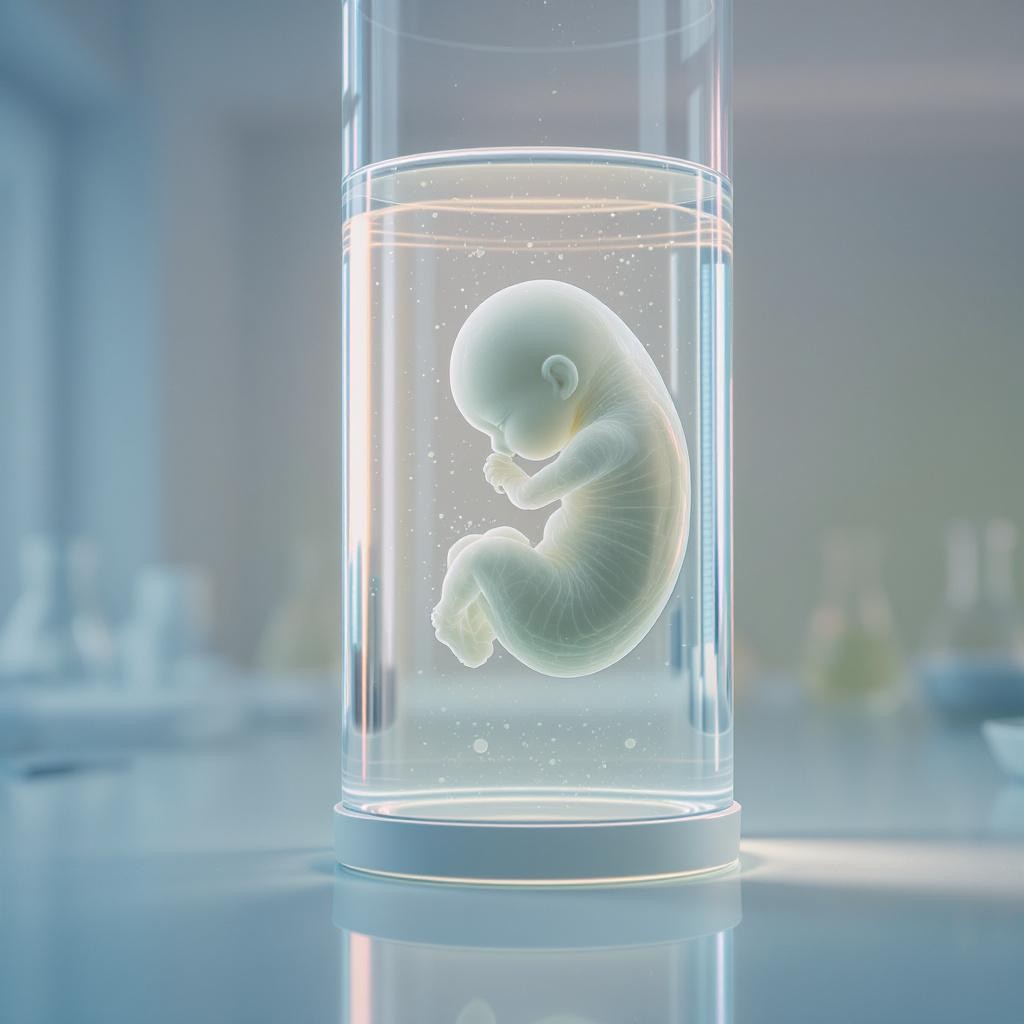
Imagine engineering new life in the lab.
We are developing two complementary paths to do this: rebuilding an embryo using lab‑grown stem cells through inner cell mass transplantation (ICMT), or creating eggs and sperm for IVF using in‑vitro gametogenesis (IVG).
Both approaches start with an individual's stem cells. Precise gene editors are used to optimise the genomes of these cells before differentiating them into other cells.
IVG preserves the process of recombination between the genetic material of two parents, and is ideal for human reproduction. ICMT enables human cloning - this technology is better suited to the creation and engineering of artificial life.
Engineering stem cells
We can convert regular body cells into stem cells capable of becoming any tissue. With CRISPR and newer gene editors (e.g. prime editing), we can surgically correct disease‑causing mutations within these cells while maintaining genomic integrity.
Stem cells can be grown in the lab for long periods of time and engineered in steps, with the appropriate screening and verification of edits through sequencing after every step.
These cells can be engineered in cycles: edit, verify, reset, grow and repeat, until genetic optimisation is complete.
Cloning humans
To clone an individual, we can replace the inner cell mass (ICM) of a donated embryo with engineered stem cells from the subject, forming a chimeric embryo where the genetic material of the foetus belongs to them, but the placenta comes from a donor.
Artificial sperm and eggs
Sex cells (sperm and eggs) can be made in artificial mini‑ovaries and mini‑testes derived from stem cells. Two parents (a male and a female) can submit their stem cells for analysis and optimisation through genetic engineering in the lab.
These genetically optimised stem cells can be converted to sex cells for IVF.
Some issues remain with the epigenetic and chromosomal integrity of artificial sex cells, but current research is working to diagnose and fix this.
Sourcing stem cells from the beginning of life
We can bank stem cells from the umbilical cord at birth. These cells have cleaner DNA, without the mutations that accumulate during life (e.g. through sunlight or chemical exposure).
Stem cell banks can be used to preserve the germline of the individual and enable personalised regenerative medicine, creating models in the lab of an individual's biology (in order to customise medical care), deriving sex cells for reproduction and manufacturing tissues for organs which may need repair or replacement later on, due to injury or illness.
Want to know more?
For technical notes on this and other bio-medical technology, read my atlas.